
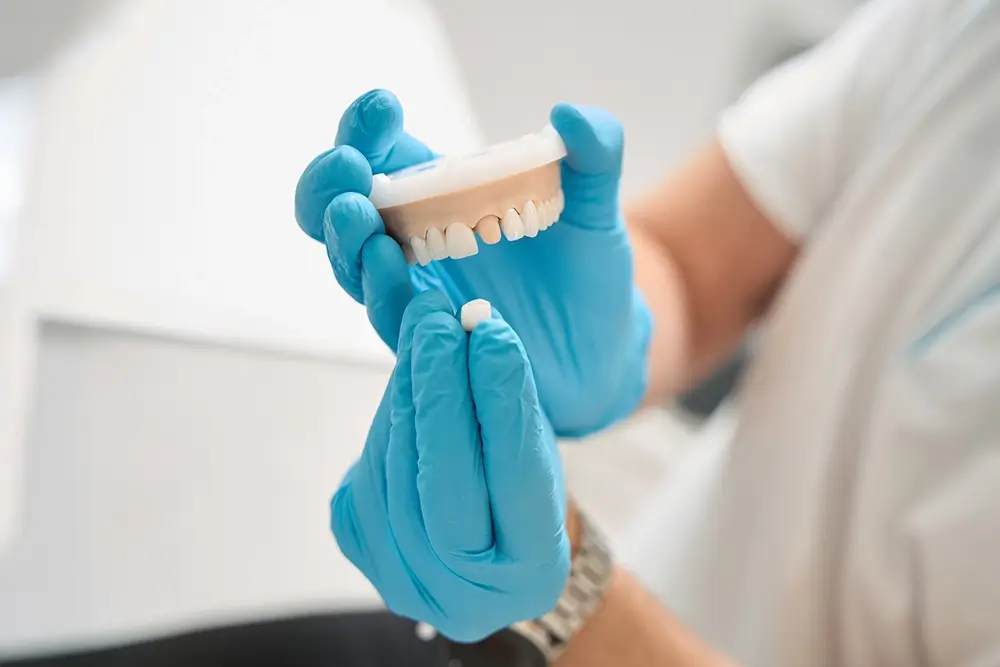
Walk into a dental office for a crown, and traditionally you’re committing to at least two appointments spread over several weeks. But at Henrickson Dental in Maplewood, MN, advanced CEREC technology completely transforms this experience. You arrive with a problem and leave the same day with a permanent solution.
But how exactly does this work? What’s the technology behind same-day crowns, and how can dentists create permanent restorations in just a few hours instead of weeks? Understanding the science and process behind CEREC helps you appreciate why this innovation represents such a significant advancement in dental care.
What Is CEREC Technology?
CEREC stands for Chairside Economical Restoration of Esthetic Ceramics. Developed in the 1980s and continuously refined over decades, CEREC is a sophisticated Computer-Aided Design and Computer-Aided Manufacturing (CAD/CAM) system that allows dentists to design, mill, and place ceramic dental restorations in a single appointment.
The technology integrates several advanced components:
- A digital intraoral scanner that captures precise 3D images of your teeth
- Specialized CAD software for designing custom restorations
- A precision milling machine that carves crowns from solid ceramic blocks
- Advanced bonding materials that permanently attach the restoration to your tooth
According to the American Dental Association®, CAD/CAM technology has revolutionized restorative dentistry by improving precision, efficiency, and patient comfort while maintaining or exceeding the quality standards of traditional methods.
At Henrickson Dental, we’ve invested in state-of-the-art CEREC technology because it aligns perfectly with our philosophy of combining advanced innovation with personalized, family-focused care.
The Evolution of Dental Crown Fabrication
To truly appreciate CEREC technology, it helps to understand how crown fabrication evolved over the past century.
Traditional Laboratory Process
For decades, creating a dental crown followed the same multi-week process. During your first appointment, the dentist would prepare your tooth, take impressions using trays filled with putty-like material, place a temporary crown, and send the impressions to a dental laboratory.
At the lab, technicians would create a model from your impression, then build a crown layer by layer using various materials and techniques. This process took one to three weeks. Once complete, the lab would ship the crown back to your dentist’s office, and you’d return for a second appointment to have the temporary removed and permanent crown placed.
This system worked but had inherent limitations. Impressions could distort during setting or shipping. Temporaries sometimes failed. Communication between dentist and lab technician occurred indirectly. And patients had to invest time in two separate appointments.
The Digital Revolution
CEREC technology changed everything by bringing crown fabrication in-house and digitizing the entire workflow. Instead of physical impressions and weeks of laboratory work, the entire process happens chairside using computers and precision machinery.
Research published in the Journal of Prosthetic Dentistry demonstrates that digital workflows produce restorations with comparable or superior accuracy compared to traditional impression and laboratory methods.
The shift from analog to digital mirrors what happened in other industries like photography, music, and manufacturing. Digital processes offer speed, precision, and flexibility that analog methods simply can’t match.
The CEREC Workflow: Step-by-Step Technology
Let’s walk through exactly what happens during a CEREC crown appointment at our Maplewood office, examining the technology at each stage.
Digital Impression Scanning
The process begins with tooth preparation, just like traditional crowns. Dr. Mike Henrickson carefully removes decay and shapes your tooth to create the ideal foundation for your crown. Once preparation is complete, the technological magic begins.
Instead of biting into impression trays, we use a compact digital scanner that looks similar to a large pen. This intraoral scanner uses optical imaging technology to capture thousands of data points per second, building a precise 3D model of your prepared tooth and surrounding structures.
The scanning process takes just a few minutes. We move the scanner around your tooth, capturing images from multiple angles. The software stitches these images together in real-time, creating an incredibly detailed digital model that appears on our chairside monitor.
You can watch the scan develop on screen, which many patients find fascinating. The level of detail captured is remarkable, showing not just the overall tooth shape but subtle surface textures and the exact position of the margin where your crown will meet the tooth.
According to research in Clinical Oral Investigations, digital intraoral scanners provide accuracy within 20-50 microns, which is more precise than traditional impression materials that can distort during setting, storage, or shipping to laboratories.
Computer-Aided Design
With your tooth digitally captured, we move to the design phase. The CEREC software displays your tooth on a high-resolution monitor, and Dr. Henrickson uses this data to design your custom crown.
The software is remarkably sophisticated. It analyzes the shape of your prepared tooth, considers the position of adjacent teeth, evaluates your bite relationship, and even suggests an initial crown design based on these factors. But technology doesn’t replace expertise. Dr. Henrickson personally refines every aspect of the design.
He adjusts the crown’s outer contours to match your natural tooth anatomy. He sculpts the chewing surface to recreate functional cusps and grooves. He carefully defines the margins to ensure a precise fit at the gum line. He considers the crown’s contact points with neighboring teeth to maintain proper spacing.
This design process typically takes 10 to 15 minutes. Throughout the design phase, you can see your crown taking shape on the monitor. Dr. Henrickson explains what he’s doing and why, and you can discuss any aesthetic preferences or concerns.
The ability to design your crown chairside offers advantages over laboratory fabrication. Direct communication between patient and dentist ensures the final restoration meets your specific needs and expectations. If adjustments are needed, they happen immediately rather than requiring lab communication delays.
Precision Milling
Once the design is finalized, the digital file transfers to our in-office milling machine. This is where the physical crown gets created.
The milling unit secures a solid block of dental ceramic material and uses diamond-coated burs rotating at high speeds to carve your crown with extraordinary precision. The machine follows the digital design exactly, removing material in layers to create the exact shape Dr. Henrickson specified.
Different ceramic materials are available depending on your needs. For molars where strength is paramount, we might use a highly crystalline ceramic optimized for durability. For front teeth where aesthetics matter most, we select materials with superior translucency and shade matching capabilities.
The milling process takes about 15 to 20 minutes. During this time, you can relax in our comfortable reception area. Some patients catch up on emails, others enjoy a beverage or read, and many simply appreciate a few minutes of quiet time during their day.
The precision of computer-controlled milling is remarkable. The machine works to tolerances measured in microns, creating restorations that fit better than many hand-crafted laboratory crowns. According to the International Journal of Computerized Dentistry, CAD/CAM milling produces consistent, high-quality results with minimal variation between restorations.
Characterization and Finishing
When milling is complete, your crown emerges as a monochromatic restoration that’s the right shape but not yet the right color. Dr. Henrickson now applies characterization to match your natural teeth.
Using specialized stains and glazing materials, he adds subtle color variations that mimic the natural appearance of tooth enamel. Real teeth aren’t uniformly colored. They have slight translucency at the edges, maybe a touch of yellowing near the gum line, perhaps small areas of discoloration that give them character.
Dr. Henrickson replicates these natural variations so your crown blends seamlessly with your smile. After staining, the crown goes into a specialized oven for glazing. This process fuses the colorants to the ceramic and creates a smooth, natural-looking surface.
The characterization and glazing process adds another 15 to 20 minutes but makes a dramatic difference in the final aesthetic result.
Try-In and Final Adjustments
With your crown complete, Dr. Henrickson carefully tries it in your mouth. He checks multiple factors: Does the crown seat fully on the prepared tooth? Are the margins sealed properly? Do adjacent teeth contact the crown correctly? Is your bite comfortable and balanced?
Minor adjustments are common and expected. Dr. Henrickson might refine the contact points between teeth, adjust the biting surface slightly, or smooth any rough spots. These adjustments happen chairside using specialized instruments and polishing systems.
The try-in phase is crucial. We don’t consider your crown ready until it meets exacting standards for fit, function, and aesthetics. You’re involved in this evaluation too. We want you to feel how the crown fits, confirm that your bite is comfortable, and verify that you’re satisfied with the appearance.
Permanent Bonding
The final step is permanently bonding your crown to your prepared tooth. We use advanced adhesive systems that create a chemical and mechanical bond between the ceramic restoration and your natural tooth structure.
The bonding process involves carefully cleaning both the tooth and crown interior, applying bonding agents, and using light-cured materials that harden when exposed to a special blue light. Once bonded, your crown becomes essentially a permanent part of your tooth structure.
Dr. Henrickson makes final bite adjustments, polishes the crown to a natural luster, and provides care instructions. Your treatment is complete. You leave with a permanent restoration that’s ready for immediate use.
The Technology Behind the Components
Understanding the individual technologies that make CEREC possible helps appreciate the sophistication of this system.
Optical Scanning Technology
The intraoral scanner uses structured light or laser technology to capture surface topology. The device projects patterns of light onto your tooth and uses cameras to record how these patterns deform around the tooth’s surface. Software analyzes these distortions to calculate precise 3D coordinates for thousands of points.
This technology, similar to what’s used in industrial manufacturing and aerospace design, provides exceptional accuracy without the discomfort of traditional impressions.
CAD Software Intelligence
The design software isn’t just a digital pencil. It incorporates artificial intelligence trained on thousands of tooth morphologies. When Dr. Henrickson begins designing your crown, the software suggests an anatomically correct starting point based on which tooth is being restored and its position in your mouth.
This intelligent assistance speeds the design process while ensuring anatomical accuracy. But the software is a tool, not a replacement for clinical judgment. Dr. Henrickson’s expertise guides every design decision.
CNC Milling Precision
The milling machine uses Computer Numerical Control (CNC) technology, the same type of precision machining used in aerospace manufacturing. Multiple axes of movement allow the diamond burs to approach the ceramic block from any angle, carving complex three-dimensional shapes with micron-level accuracy.
The machine adjusts cutting speeds, pressures, and approaches based on the material being milled and the geometry being created. This sophisticated control ensures consistent, high-quality results.
Advanced Ceramic Materials
The ceramic blocks used in CEREC aren’t the same materials used in older crown systems. Modern dental ceramics are engineered at the molecular level for optimal properties.
Some ceramics prioritize strength through highly crystalline structures. Others emphasize aesthetics through controlled translucency and fluorescence that mimics natural enamel. Some newer materials offer excellent combinations of both properties.
Research in dental materials demonstrates that modern CAD/CAM ceramics deliver mechanical properties and longevity comparable to or exceeding traditional crown materials.
Advantages of the Digital Workflow
The CEREC digital workflow offers numerous advantages over traditional impression and laboratory methods.
Superior Accuracy
Digital impressions eliminate distortion that can occur with traditional materials. Impression putty can shrink as it sets, distort if not poured promptly, or get damaged during shipping. Digital scans maintain perfect accuracy from capture through final milling.
Studies show that digital impressions are typically more accurate than traditional impressions, especially for larger areas requiring multiple teeth to be captured.
Enhanced Communication
When crown fabrication happens at an off-site laboratory, communication between dentist and technician occurs through notes, photos, and phone calls. With CEREC, Dr. Henrickson controls the entire process and can make decisions in real-time based on direct observation.
If an adjustment is needed, it happens immediately rather than requiring the crown to be sent back to the lab, adding days or weeks to treatment.
Improved Patient Comfort
Many patients dislike traditional impressions. The trays can trigger gag reflexes, the material has an unpleasant taste and texture, and you must hold still with your mouth open for several minutes while the impression sets.
Digital scanning is far more comfortable. The small scanner moves around your mouth quickly, you can breathe normally, and most patients find the process completely tolerable.
Immediate Problem Resolution
With traditional impressions, you don’t know until the crown comes back from the lab whether the impression was accurate. If it wasn’t, you need another impression and more waiting.
With digital scanning, we can immediately evaluate the scan quality on our monitor. If any area needs re-scanning, we handle it right away. There’s no uncertainty or waiting to discover problems.
Material Efficiency
Digital workflows reduce waste. Traditional impressions require disposable materials that get thrown away after use. CEREC uses solid ceramic blocks efficiently, and any excess material from milling can potentially be recycled.
From an environmental standpoint, digital dentistry is more sustainable than traditional analog methods.
CEREC vs. Traditional Laboratory Crowns: An Objective Comparison
While we’re enthusiastic about CEREC technology at Henrickson Dental, it’s important to understand both approaches objectively. Our detailed article Traditional Crowns vs. CEREC Same-Day Crowns: Which is Better? provides a comprehensive comparison of both methods.
The short answer is that both approaches can deliver excellent results in experienced hands. The choice often comes down to priorities like appointment scheduling, the specific tooth being restored, aesthetic complexity, and personal preferences.
CEREC excels at efficiency, accuracy, and patient convenience. Traditional laboratory methods might be preferred in extremely complex aesthetic situations requiring the artistic hand-crafting skills of master ceramists.
At our Maplewood practice, Dr. Henrickson has extensive experience with both approaches and can recommend the best option for your specific situation.
Who Is a Good Candidate for CEREC Technology?
Most patients who need crowns are excellent candidates for same-day CEREC restorations. The technology works for single crowns on front teeth, premolars, and molars. It’s appropriate for crowns needed after root canal therapy, for teeth with large fillings or decay, for fractured or cracked teeth, and for cosmetic improvements.
Some complex cases might benefit from traditional laboratory fabrication, such as extensive smile makeovers requiring multiple crowns that must be perfectly matched, or situations where anatomical challenges make digital scanning difficult.
During your consultation at Henrickson Dental, Dr. Henrickson evaluates your specific situation and recommends the approach that will deliver the best results for your needs. Our goal is always optimal outcomes, whether achieved through same-day technology or traditional methods.
The Training and Expertise Behind CEREC
CEREC technology is sophisticated, but technology alone doesn’t create excellent results. The dentist operating the system must combine technical skill with clinical expertise and aesthetic judgment.
Dr. Mike Henrickson has invested significant time in advanced CEREC training beyond dental school. He regularly attends continuing education courses focusing on digital dentistry, stays current with evolving materials and techniques, and has completed hundreds of successful CEREC restorations for Maplewood patients.
The combination of advanced technology and experienced clinical judgment creates outcomes that consistently exceed patient expectations. Technology amplifies expertise but doesn’t replace it.
What to Expect During Your CEREC Crown Appointment
If you’re scheduled for a CEREC crown at our Maplewood office, here’s what to expect from start to finish.
Before Your Appointment
There’s no special preparation needed. Eat normally before your appointment since you’ll be numb afterward. Plan for the appointment to take approximately two to three hours total, though the exact time varies based on the complexity of your case.
If you’re anxious about dental procedures, let us know when you schedule. We can discuss options to help you feel more comfortable.
During Your Appointment
You’ll spend most of the appointment in our comfortable dental chair. We numb the area thoroughly before beginning, ensure you’re comfortable throughout the procedure, and provide blankets, neck pillows, and other comforts to make the experience as pleasant as possible.
Most patients find the process much easier than they anticipated. The technology makes everything faster and more comfortable than traditional methods.
After Your Appointment
Your crown is ready to use immediately, though we recommend waiting until the numbness wears off before eating to avoid accidentally biting your tongue or cheek. Some minor sensitivity is normal for a few days as your tooth adjusts to the restoration, but severe pain is not expected.
We provide detailed care instructions and are always available if you have questions or concerns during the adjustment period.
Understanding When You Might Need a Crown
Not sure whether your tooth actually needs a crown? Our article When Do You Need a Dental Crown? Signs, Causes & Treatment Options explores the various situations where crown treatment becomes necessary and helps you recognize the warning signs that crown treatment might be needed.
Common indications include teeth with large fillings that are failing, cracked or fractured teeth, teeth after root canal treatment, severely decayed teeth, and cosmetic concerns like severe discoloration or misshapen teeth.
Experience CEREC Technology at Henrickson Dental
If you need a crown and want the convenience, comfort, and quality of same-day treatment, Henrickson Dental offers the advanced technology and experienced care you need. Our comprehensive dental services cover everything from preventive care to complex restorations, all delivered with the personal attention you’d expect from a family-owned practice with over three decades serving the Maplewood community.
Contact us today at 651-777-8900 to schedule your consultation. Dr. Henrickson will examine your tooth, explain whether a crown is necessary, discuss whether CEREC same-day treatment is the right approach for your situation, and answer all your questions about the process.
Located conveniently in Maplewood and serving patients throughout Oakdale, Roseville, East St. Paul, and surrounding areas, we’re committed to providing the modern, efficient, high-quality dental care you deserve. Experience the CEREC difference and discover why so many patients choose our practice for their restorative dental needs.